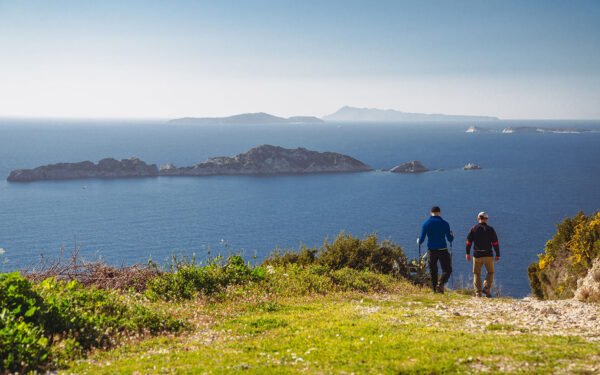
Corfu’s hilltop and inland villages grew where they did largely because the sea around the island was dangerous for centuries, with pirate raids shaping where and how people chose to live. For much of the Middle Ages and early modern period, the Ionian Sea was a busy but insecure frontier between Venetian, Ottoman and other powers, and pirates worked those same trade routes.
Raiding ships could easily slip into bays and small coves on Corfu’s coastline, seize goods, burn farmsteads and even capture people for ransom or slavery. North African, Ottoman‑aligned and independent corsairs used the islands as hunting grounds, exploiting the fact that coastal settlements were visible from the water and slow to receive help. Even the major fortresses on Corfu town’s headlands were built with the explicit aim of defending against pirates and rival fleets, not just formal armies.
Why villages climbed into the hills
To escape these seaborne raids, many Corfiot communities moved inland, choosing elevated, folded terrain that physically hid them from the sea. Villages were set high on the slopes or tucked into basins behind ridges so that, from offshore, you would see only forest and rock, not chimneys and church towers.
Height brought two other advantages: you could watch the coastline and approaches, and you had time to react if sails or smoke appeared on the horizon. These sites also offered healthier air and distance from coastal marshes, so they protected residents not only from pirates but also from malaria and other diseases linked to low‑lying wetlands.
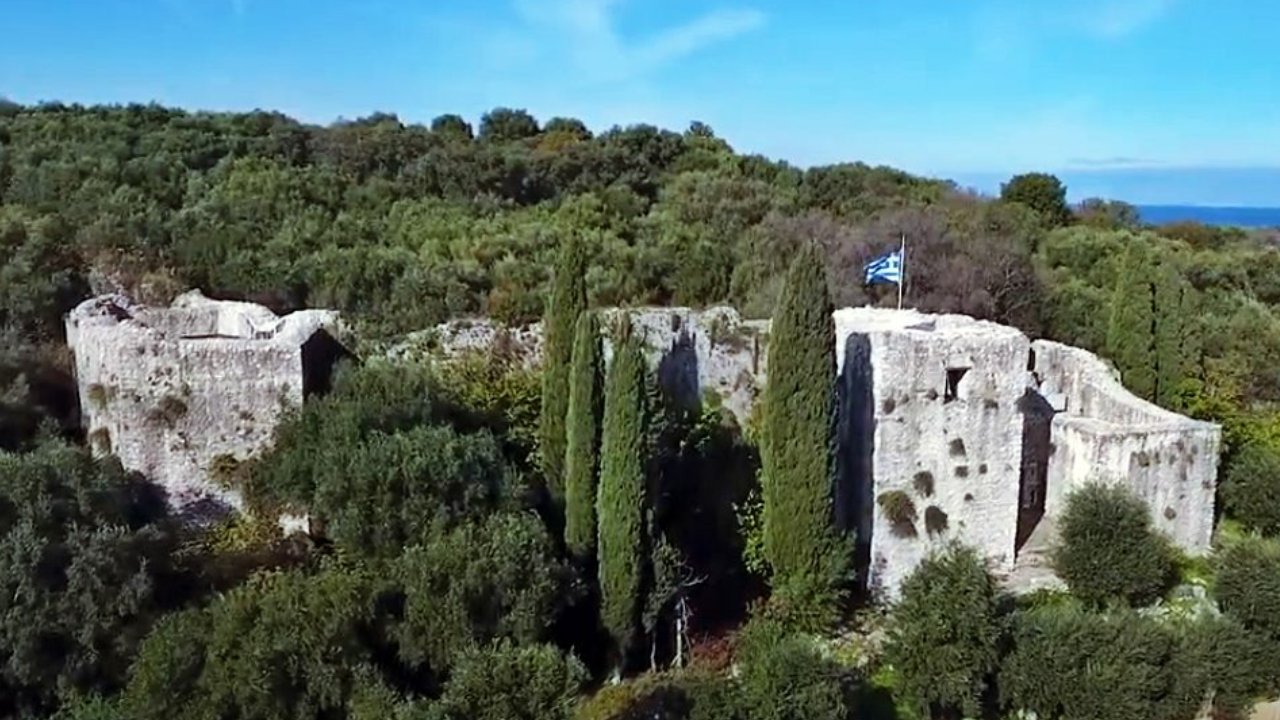
Old Perithia: piracy in stone
A clear example is Old Perithia, founded in the 14th century under Byzantine rule. Perched on the slopes of Mount Pantokrator, surrounded by mountains and hidden from the sea, it was deliberately developed as a refuge from pirate attacks and epidemics. Residents built in stone, clustered houses tightly and ringed the settlement with several churches, creating a compact, defensible farming community focused on vines, olives and sheep rather than seaborne trade.
For centuries, villagers would descend to coastal fields or olive groves by day and return uphill each evening, only beginning to abandon the “pirate‑proof” village once piracy and malaria declined and coastal tourism opened new livelihoods in the 20th century.
Other Corfiot villages shaped by fear
Old Perithia is not unique: many Corfu villages were historically placed slightly inland and on hillsides to reduce visibility and vulnerability to raiders.
Chlomos, behind The Corfu Lodge, is also another example of such a village, and even predates Old Perithia, with traditional families still living in these ancient streets.
South Corfu’s Korakades, for example, sits on a dominant hill and is linked in local lore with pirates, its elevated position offering both sea views and a measure of safety from sudden coastal attacks.
Castle‑villages and fortified rocks around the island functioned as last‑resort refuges, where inhabitants could retreat if a serious raid or fleet appeared offshore. Only when naval power, quarantine systems and state control made the sea lanes safer did Corfiots feel confident enough to shift their lives down toward the beaches that visitors know today.